Mold Inspections in Charleston, Summerville & the Lowcountry
Concerned about mold or indoor air quality in your home? A professional mold inspection can help identify visible conditions, moisture concerns, and other evidence that may indicate a mold problem. Patriot Home Inspections provides professional mold inspections and mold testing, including visual evaluation, moisture investigation, thermal imaging, indoor air quality measurements, air and surface sampling, and independent laboratory analysis for homeowners, homebuyers, property managers, and real estate professionals throughout Charleston, Summerville and the surrounding Lowcountry.
Mold spores are a natural part of our environment and can be found both indoors and outdoors. Problems can develop when moisture allows mold to grow on building materials or indoor conditions result in elevated or unusual concentrations of mold spores. A mold inspection looks beyond the samples themselves. We investigate visible conditions, potential moisture sources, water damage, and other factors that can help provide context for laboratory testing and determine appropriate next steps.
What Is a Mold Inspection?
A mold inspection is an investigation of a property for visible mold growth, moisture conditions, water damage, and other conditions that may contribute to microbial growth. Depending on the property and reason for the inspection, the evaluation may include visual observations, moisture measurements, thermal imaging, indoor air quality measurements, indoor and outdoor mold air sampling, surface sampling, and independent laboratory analysis.
Mold testing is one part of the inspection process when sampling is appropriate. Air samples can help identify the types and concentrations of mold spores present in selected areas at the time of testing, while surface samples can help identify suspected microbial growth observed on specific materials or components.
Samples are submitted to an independent laboratory for analysis. The laboratory identifies mold types present in the samples and, for air samples, reports measured spore concentrations.
A mold inspection does not certify that a building is completely “mold-free.” Instead, it combines observations, moisture findings, building history, and laboratory results when applicable to provide a better understanding of the conditions present at the property.
What to Expect
When Does a Mold Inspection Make Sense?
Not every mold concern requires laboratory testing. If substantial visible mold growth is already present, identifying and correcting the moisture source may be more important than simply collecting a sample to confirm that mold exists.
A mold inspection can be particularly useful when the source or extent of a concern isn’t obvious. You may want to consider a mold inspection when:
You notice musty or unusual odors
Water intrusion or plumbing leaks have occurred
Previous water damage has been repaired
Staining or suspected microbial growth is present
You’re purchasing a home with a history of moisture problems
You have concerns about mold or overall indoor air quality
Mold remediation has previously been performed
Documentation is needed for a real estate transaction
A property manager or owner is investigating a tenant concern
You need independent information before determining the next step
The inspection and testing approach should be based on the property and reason for the investigation rather than simply collecting samples without a purpose.
Our goal is simple: investigate the conditions that prompted your concern, identify potential moisture problems, collect appropriate samples when needed, and provide independent laboratory results so you have better information for deciding what to do next.
Moisture Is Part of the Investigation
Mold growth requires moisture, so understanding moisture conditions is an important part of a mold inspection.
We look for visible evidence of water intrusion and use moisture meters and thermal imaging when appropriate to help identify conditions that may warrant additional investigation.
Potential moisture sources can include:
Roof or flashing leaks
Plumbing leaks
HVAC condensation problems
Elevated indoor humidity
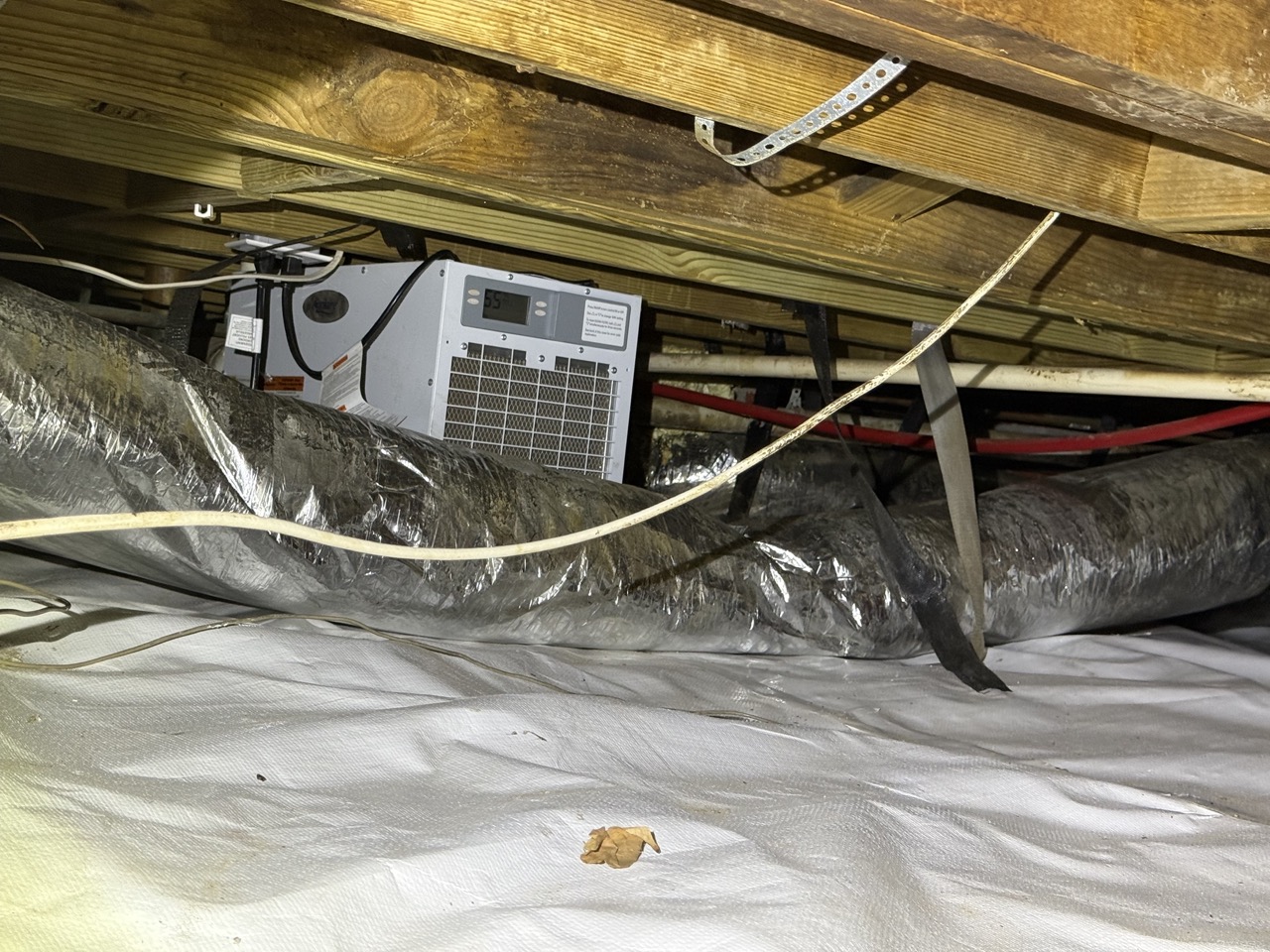
Crawl-space moisture
Exterior drainage problems
Window or door leakage
Previous flooding or water damage
Condensation on building materials
Finding mold without addressing the moisture condition that allowed it to grow may result in the problem returning.
Mold Inspection Coverage
What We Evaluate
A mold inspection can combine visual observations, moisture investigation, environmental sampling, and laboratory analysis based on the conditions present at the property.
VISUAL EVALUATION
Visible ConditionsWe inspect accessible areas for visible microbial growth, staining, water damage, deterioration, and other conditions that may indicate a current or previous moisture or mold problem.
MOISTURE
Moisture MeasurementsWe use moisture meters to identify elevated moisture in accessible building materials and investigate conditions associated with leaks, water intrusion, or conditions that may contribute to microbial growth.
THERMAL IMAGING
Infrared EvaluationThermal imaging helps identify temperature patterns that may indicate hidden moisture or other conditions warranting closer evaluation. Suspected moisture is verified with appropriate instruments when possible.
AIR SAMPLING
Indoor Air SamplesIndoor air samples help identify the types and concentrations of airborne mold spores present in selected areas. Sampling locations are chosen based on observed conditions and areas of concern.
INDOOR AIR QUALITY
Indoor Air QualityWe measure PM2.5, PM10, formaldehyde, TVOCs, temperature, and relative humidity to provide additional information about indoor environmental conditions alongside our mold and moisture investigation.
SURFACE TESTING
Surface SamplesSwab, tape-lift, or other surface samples may be collected from suspected microbial growth. Laboratory analysis identifies mold or other fungal material present on the sampled surface.
LABORATORY
Independent Lab AnalysisCollected samples are submitted to an independent laboratory for analysis to identify fungal material, mold types, and measured concentrations for applicable air samples.
SPORE ANALYSIS
Mold Types & ConcentrationsLaboratory results identify mold spore types and concentrations detected in air samples, allowing results from different areas to be evaluated and compared when appropriate.
TARGETED TESTING
Additional SamplingAdditional air or surface samples can be collected when the property’s size, layout, visible conditions, or specific areas of concern warrant more extensive testing.
Your Report
Mold Inspection & Laboratory Results
After the inspection and laboratory analysis are complete, you’ll receive documentation of our findings and the results for each sample collected.
Air sample results typically identify the types of fungal spores detected and their measured concentrations. Surface samples identify fungal material detected on the specific area sampled.
Laboratory results should be interpreted in context. Mold spores naturally occur in the environment, and laboratory numbers alone don’t tell the entire story. Sample locations, indoor and outdoor comparisons, visible conditions, moisture findings, and the history of the property can all be relevant.
Your results may include:
Inspection observations
Moisture-related findings
Sample locations
Types of samples collected
Mold or fungal types identified
Airborne spore concentrations
Indoor and outdoor sample comparisons
Surface sample findings
Laboratory documentation
The purpose is to give you objective information that can be combined with the conditions observed at the property when determining appropriate next steps.
Inspection Findings
Visible conditions and relevant moisture concerns observed during the inspection are documented.
Independent Laboratory
Collected samples are analyzed by an independent laboratory.
Identified Mold Types
Laboratory analysis identifies fungal material and mold types detected in collected samples.
Measurable Results
Air samples provide measured concentrations for the mold spores identified.
Client Attendance
You Don’t Need to Be There
You’re welcome to attend your mold inspection, but attendance usually isn’t necessary.
If you cannot attend, access to the interior of the property will need to be arranged in advance.
Before the inspection, please make sure we can access:
Areas where concerns have been observed
HVAC equipment when relevant
Attic or crawl-space access when needed
Areas affected by previous leaks or water damage
Plumbing fixtures associated with reported concerns
Other rooms selected for air sampling
If you have photographs, repair records, previous mold reports, remediation documentation, or information about known water intrusion, providing that information before the appointment can help us better understand the history of the concern.
If the property is vacant, access can often be coordinated through your real estate agent, property manager, lockbox, or other authorized arrangement.
local Mold inspections
Mold Inspections Across the Charleston Area
Professional mold inspections, mold testing, air sampling, moisture investigation, and laboratory analysis throughout Charleston, Summerville and surrounding Lowcountry communities.
Summerville’s warm, humid climate can create challenging moisture conditions, particularly when leaks, drainage problems, or elevated indoor humidity are present. We provide mold inspections, moisture evaluation, environmental sampling, and independent laboratory analysis.
Coastal humidity, heavy rainfall, and water intrusion can contribute to moisture concerns in Mount Pleasant homes. We provide professional mold inspections and testing to help homeowners and buyers better understand suspected mold and moisture conditions.
Homes throughout Goose Creek can experience moisture from plumbing leaks, HVAC systems, crawl spaces, drainage issues, and our humid Lowcountry climate. We investigate suspected mold conditions using moisture evaluation, environmental sampling, and laboratory analysis.
From older properties to newer construction, moisture problems can develop in homes throughout North Charleston. We provide mold inspections, air and surface sampling, moisture evaluation, and independent laboratory analysis based on the conditions observed.
Charleston’s coastal climate, historic construction, heavy rainfall, and high humidity can create conditions where moisture problems develop. We provide independent mold inspections and testing for homeowners, homebuyers, property managers, and real estate professionals.
West Ashley includes homes spanning decades of construction, including many properties with crawl spaces and established drainage conditions. We provide mold inspections, moisture investigation, environmental sampling, and laboratory analysis when concerns arise.
Mold inspection faq
What Homeowners Ask About Mold Inspections
Answers to common questions about mold inspections, mold testing, air sampling, laboratory analysis, moisture problems, and what to expect.
What is included in a mold inspection?
A mold inspection evaluates accessible areas for visible microbial growth, water damage, moisture conditions, and other evidence associated with potential mold problems. Depending on the reason for the inspection, moisture measurements, thermal imaging, air sampling, surface sampling, and laboratory analysis may also be included.
What’s the difference between a mold inspection and mold testing?
A mold inspection investigates the property and the conditions that may contribute to mold growth. Mold testing involves collecting air or surface samples for laboratory analysis. Testing can be one component of a broader mold inspection when sampling is appropriate.
Can you tell if I have mold without testing?
Visible growth may strongly suggest microbial activity, but appearance alone cannot reliably identify the type of mold present. Laboratory analysis can identify fungal material collected from a specific surface or air sample.
How does mold air testing work?
A sampling pump draws a measured volume of air through a collection device. The sample is submitted to a laboratory where fungal spores are identified and counted, providing information about the types and concentrations present at the sampling location.
Why do you take an outdoor air sample?
Mold spores naturally occur outdoors and enter buildings through doors, windows, ventilation, and normal air movement. An outdoor control sample provides useful context for comparing the types and concentrations of mold spores detected indoors.
How many mold samples do I need?
That depends on the size and layout of the property, areas of concern, visible conditions, and reason for testing. A basic investigation may require only a few samples, while larger properties or multiple areas of concern may require additional sampling.
Does a mold inspection tell me whether my home is safe?
A mold inspection provides information about conditions observed and samples collected at the time of the inspection. It does not certify a building as completely safe, healthy, or mold-free. Questions about potential health effects should be discussed with an appropriate medical professional.
What happens if mold is found?
The appropriate next step depends on the location and extent of growth, moisture source, affected materials, laboratory findings, and other conditions. Correcting the underlying moisture problem is an important part of addressing mold growth and reducing the likelihood of recurrence.
How much does a mold inspection cost?
Our standard mold inspection and testing starts at $350 with a minimum of three samples. Pricing may increase depending on the size of the property, scope of the investigation, and number or type of samples required. Call 843-386-9100 to discuss the property and your concerns.
Where We Work
Serving Summerville, Charleston, & The Lowcountry
Professional home inspections throughout the Summerville, Charleston and the Lowcountry including Dorchester, Charleston, Berkeley, and Colleton counties.
Daniel Island
Serving Charleston’s island community
James Island
Serving the Charleston peninsula gateway
Johns Island
Serving rural and coastal communities
West Ashley
Serving communities west of the Ashley
Charleston
Serving the historic Charleston peninsula
Mount Pleasant
Serving communities east of the Cooper
North Charleston
Serving the greater North Charleston area
Moncks Corner
Serving Berkeley County communities
Hanahan
Serving central Berkeley County
Goose Creek
Serving growing Berkeley County communities
Summerville
Serving the heart of the Lowcountry
What We Offer
Our Home Inspection Services
Professional Inspections for Buyers, Sellers, and Homeowners. Patriot Home Inspections offers a range of inspection services designed to help clients understand the true condition of a property.

Evaluation of pool and spa systems including visible structural components, equipment operation, and safety features.
Learn More
Inspection and documentation to verify the foundation meets HUD, FHA, and VA permanent foundation guidelines required by many lenders.
Learn More